
This post contains affiliate links. This means I will make a commission at no extra cost to you should you click through and make a purchase [ “As an Amazon Associate, I earn from qualifying purchases.” ]. Read the full disclosure here.
Unlocking Affordable Full Coverage: How to Get Cheap Car Insurance Quotes with No Personal Info Guidemechanic.com
The quest for affordable full coverage car insurance often feels like navigating a maze. You want the best protection for your vehicle and peace of mind, but you’re also wary of handing over sensitive personal information just to get an initial price check. It’s a common dilemma: how do you get a realistic idea of what “full coverage” will cost without committing to a full application process?
As an expert in the automotive insurance landscape, I understand this concern deeply. Many drivers desire to explore their options anonymously before diving into detailed forms. This comprehensive guide is designed to empower you. We’ll demystify what “full coverage” truly means, explore effective strategies to get cheap car insurance estimates without divulging personal data, and equip you with the knowledge to eventually secure the best possible rates when you’re ready.
Unlocking Affordable Full Coverage: How to Get Cheap Car Insurance Quotes with No Personal Info
Demystifying “No Personal Info”: Estimates vs. Bindable Quotes
Before we dive into strategies, it’s crucial to understand a fundamental distinction: the difference between an “estimate” and a “bindable quote.” This is where the “no personal info” aspect becomes clear.
What is an Estimate?
An insurance estimate is a ballpark figure, a preliminary idea of what you might pay based on a limited set of general information. It’s designed to give you a rough idea of cost without requiring your Social Security Number, driver’s license number, or exact address. Think of it as window shopping for insurance.
What is a Bindable Quote?
A bindable quote, on the other hand, is a firm price offer from an insurance company that they are willing to honor. To generate this, insurers need a complete picture of your risk profile. This involves specific personal details such as your full name, exact address, date of birth, driver’s license number, driving history, vehicle identification number (VIN), and sometimes even your credit-based insurance score. This information allows them to accurately assess your risk and provide a legally binding offer.
Based on my experience, it’s impossible to get a truly bindable quote without providing some personal information. The “no personal info” approach is excellent for initial research and comparison, allowing you to narrow down potential insurers and understand general price ranges. However, to actually purchase a policy, you will need to complete a full application. Our focus here is on maximizing your ability to get robust estimates with minimal initial data.
Cheap Car Insurance Quotes No Personal Info
Understanding “Full Coverage”: More Than Just a Catchphrase
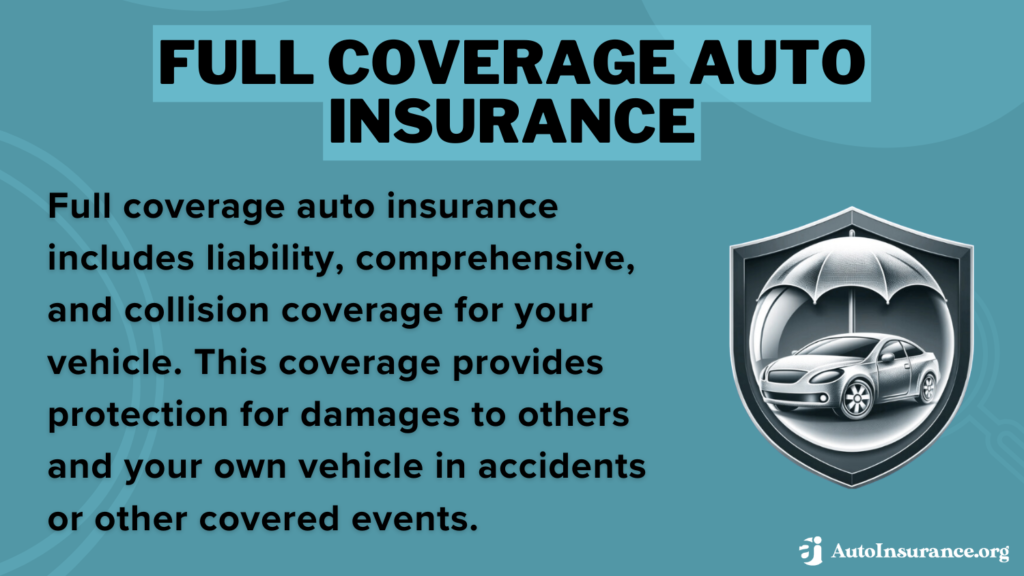
The term “full coverage” is widely used, but it’s often misunderstood. It’s not a single type of policy. Instead, “full coverage” typically refers to a bundle of different insurance coverages that, together, offer comprehensive protection for your vehicle and financial liability.
Here’s a breakdown of what “full coverage” usually includes:
- Liability Coverage: This is the foundation of almost every car insurance policy and is legally required in most states. It protects you financially if you cause an accident.
- Bodily Injury Liability (BI): Pays for medical expenses, lost wages, and pain and suffering for others injured in an accident you cause.
- Property Damage Liability (PD): Covers damage to another person’s vehicle or property (e.g., a fence, building) if you are at fault.
- Pro Tip: While state minimums exist, based on our experience, we always recommend higher liability limits than the minimum. A severe accident can quickly exceed minimums, leaving you personally responsible for the difference.
- Collision Coverage: This coverage pays for damage to your own vehicle resulting from a collision with another vehicle or object, regardless of who is at fault. This is crucial if you want your car repaired or replaced after an accident.
- Comprehensive Coverage: Often called “other than collision,” this protects your car from damages not caused by a collision. This includes theft, vandalism, fire, falling objects (like tree branches), hail, floods, and animal strikes. It’s essential for protecting your investment against unpredictable events.
Beyond these core three, many drivers consider additional coverages part of their “full coverage” package:
- Uninsured/Underinsured Motorist (UM/UIM): Pays for your medical bills and car repairs if you’re hit by a driver who has no insurance or not enough insurance to cover your damages.
- Medical Payments (MedPay) or Personal Injury Protection (PIP): These cover medical expenses for you and your passengers, regardless of fault. PIP can also cover lost wages and essential services.
- Rental Car Reimbursement: Covers the cost of a rental car while your vehicle is being repaired after a covered claim.
- Roadside Assistance: Provides help for breakdowns, flat tires, dead batteries, or running out of gas.
Common mistakes to avoid are assuming a basic liability policy is “full coverage” or choosing coverages blindly. Always understand what each component covers and tailor it to your needs and vehicle’s value. A brand new car will likely benefit more from extensive “full coverage” than an older, lower-value vehicle.
Strategies to Get Cheap Car Insurance Estimates Without Personal Info
Now that we understand the scope of “full coverage” and the nature of an “estimate,” let’s explore practical ways to get those initial cost ideas without revealing your deepest secrets.
1. Leverage Online Comparison Tools (with caveats)
Many online insurance comparison websites allow you to get multiple estimates from different providers by entering a minimal amount of information. While some might ask for a basic name and email, others are designed to give you a quick range.
- What they typically ask for: Your ZIP code, vehicle year/make/model, approximate age range, marital status, and a general indication of your driving record (e.g., “clean,” “1 accident,” “1 ticket”).
- How to use them: Input the requested general data. If a field seems too intrusive (like a specific driver’s license number), look for an option to skip it or provide a more general answer if available. Some sites are better than others for true anonymity at the initial stage.
- Pro Tip from us: Focus on sites that clearly state they offer “estimates” or “ballpark figures” with limited personal data. Be wary of those that immediately demand an SSN or full driver’s license number for an initial quote, as those are usually for bindable offers.
2. Utilize Direct Insurer Websites’ “Quick Quote” Tools
Many major insurance companies have “quick quote” tools directly on their websites. These are often designed to give you an immediate estimate before you commit to a full application.
- What they typically ask for: Similar to comparison tools – ZIP code, vehicle details, sometimes gender and age. They often have sliders or drop-down menus for general driving record status.
- How to use them: Visit the websites of several prominent insurers (e.g., Geico, Progressive, State Farm, Allstate, Liberty Mutual, etc.). Look for sections like “Get a Quote” or “Quick Estimate” and proceed with minimal information. This allows you to compare individual insurer estimates directly.
- Based on my experience, some direct insurer tools are more privacy-friendly for initial estimates than others. If one asks for too much, simply move on to the next.
3. Consult with Local Independent Agents (Initial Ballpark)
While agents eventually need your full information to provide a bindable quote, a good independent agent can often give you a general idea of costs with just a few details over the phone or in person.
- What they typically ask for: Your general location (city/state), vehicle type, and a broad overview of your driving history.
- How to use them: Call a local independent insurance agency and explain that you’re just looking for a ballpark estimate for “full coverage” on a specific type of vehicle (e.g., “a 2020 Honda Civic”) for someone with a clean driving record in your area. They often have enough market knowledge to give you a range without any identifying personal data.
- Pro Tip from us: Independent agents work with multiple carriers, so they can sometimes provide a broader range of estimates than a single-carrier agent.
4. Research Average Rates for Your Demographic
While not a direct “quote,” researching average insurance rates can provide a valuable baseline. Many financial and insurance publications publish data on average car insurance costs by state, city, age group, and vehicle type.
- How to use them: Search online for “average car insurance rates “. This gives you a general idea of what others in a similar situation are paying, helping you identify if the estimates you receive are reasonable.
- Common mistakes to avoid are taking these averages as gospel. Your individual rates will always vary based on specific factors, but they serve as a helpful starting point.
Key Factors Influencing Your Full Coverage Premiums (Even for Estimates)
Even when you’re seeking an anonymous estimate, the underlying factors that determine insurance costs are at play. Understanding these can help you better refine your search and interpret the estimates you receive.
1. Your Vehicle’s Specifics
The car you drive significantly impacts your “full coverage” premium.
- Make, Model, and Year: Luxury, high-performance, or frequently stolen vehicles cost more to insure. Older, lower-value cars might have cheaper comprehensive and collision coverage because their replacement cost is less.
- Safety Features: Cars with advanced safety features (e.g., automatic emergency braking, lane departure warning) might qualify for discounts, even if not explicitly factored into an initial anonymous estimate.
- Repair Costs: Vehicles with expensive parts or specialized repair requirements will generally have higher premiums.
2. Your Location (ZIP Code)
Where you live and park your car profoundly affects your rates.
- Urban vs. Rural: City dwellers often pay more due to higher traffic density, increased accident rates, and greater risk of theft or vandalism.
- Local Claims History: Insurers look at the number of accidents, thefts, and natural disaster claims in your specific ZIP code. A history of frequent claims in an area will drive up premiums for everyone living there.
3. Your Driving Record (General Status)
While you won’t provide your exact record for an estimate, indicating “clean,” “minor incident,” or “major incident” significantly alters the estimate.
- Accidents: At-fault accidents lead to higher rates.
- Traffic Violations: Speeding tickets, DUIs, and other moving violations signal higher risk.
- Continuous Coverage: A history of continuous insurance coverage, even if you switch providers, can sometimes lead to lower rates.
4. Your Age and Driving Experience
Age and experience are significant risk indicators for insurers.
- Younger Drivers: Teenagers and young adults (under 25) typically pay the highest premiums due to their statistical inexperience and higher accident rates.
- Experienced Drivers: Drivers in their 30s, 40s, and 50s with clean records often enjoy the lowest rates.
- Senior Drivers: Rates can sometimes increase for very senior drivers due to perceived age-related risks, though this varies greatly by insurer and individual health.
5. Coverage Limits and Deductibles
Even for estimates, you can often select different levels of coverage.
- Higher Liability Limits: Choosing more robust liability protection (e.g., $100k/$300k/$50k instead of $25k/$50k/$25k) will increase your premium, but provides much better financial security.
- Deductibles: This is the amount you pay out-of-pocket before your collision or comprehensive coverage kicks in. A higher deductible (e.g., $1,000 instead of $250) will lower your premium, but means more out-of-pocket expense if you make a claim.
- Pro Tip from us: When getting estimates, try playing with different deductible amounts. A higher deductible can significantly reduce your “full coverage” premium, especially for older cars where the cost of comprehensive/collision might approach the car’s actual cash value.
Beyond the Estimate: Turning Ballpark Figures into Real Savings
Once you have a few reliable estimates for cheap car insurance quotes no personal info full coverage, the next step is to transition to getting bindable quotes and securing real savings. This requires a bit more commitment but is where the true value lies.
1. Prepare Your Information
When you’re ready for actual quotes, have the following details handy:
- Driver Information: Full name, date of birth, driver’s license number for all drivers on the policy, driving history (accidents, tickets).
- Vehicle Information: VIN (Vehicle Identification Number), year, make, model, current mileage, primary use (commute, pleasure), estimated annual mileage.
- Current Insurance Details (if applicable): Your current policy declarations page to ensure apples-to-apples comparison.
- Payment Information: For when you’re ready to purchase.
2. Compare Multiple Insurers (Get 3-5 Actual Quotes)
Do not settle for the first quote you receive. Different insurers have different algorithms, risk appetites, and discount structures.
- Use the estimates as a guide: Your earlier anonymous estimates should help you prioritize which insurers to approach for detailed quotes.
- Get quotes from direct insurers, independent agents, and online marketplaces: This multi-pronged approach ensures you cast a wide net.
- Internal Link Idea: For a deeper dive, check out our article on “The Ultimate Guide to Comparing Car Insurance Companies” for more detailed strategies.
3. Leverage All Available Discounts
Discounts can dramatically reduce your “full coverage” premium. Always ask about every possible discount you might qualify for.
- Bundling: Combining auto and home/renters insurance with the same carrier.
- Multi-Car: Insuring more than one vehicle on the same policy.
- Good Driver/Safe Driver: For drivers with a clean record for a certain period.
- Good Student: For young drivers maintaining a specific GPA.
- Defensive Driving Course: Completing an approved safety course.
- Anti-Theft Devices: Having alarms or tracking systems.
- Low Mileage: Driving fewer miles annually.
- Payment Discounts: Paying in full, setting up automatic payments.
- Telematics/Usage-Based Insurance: Programs that monitor your driving habits (e.g., speed, braking) for potential discounts.
- External Link: For a comprehensive list of potential discounts and what to look for, the Insurance Information Institute offers excellent resources on saving money on auto insurance: https://www.iii.org/article/ten-ways-to-save-money-on-auto-insurance
4. Adjust Your Coverage Wisely
Review your “full coverage” components and limits.
- Raise Deductibles: As mentioned, this can significantly lower premiums. Ensure you have enough in savings to cover the deductible if you make a claim.
- Re-evaluate Comprehensive/Collision for Older Cars: If your car is more than 10-12 years old or its market value is low (e.g., under $3,000-$5,000), the cost of collision and comprehensive might outweigh the potential payout. Consider dropping them to save money, but weigh the risk carefully.
- Internal Link Idea: Learn more about when to drop certain coverages in our post: “Is Full Coverage Worth It? A Deep Dive into Auto Insurance Costs“.
5. Maintain a Stellar Driving Record
This is the single most impactful long-term strategy for cheap car insurance. Accidents and tickets stay on your record for years and directly translate to higher premiums. Drive safely, avoid distractions, and obey traffic laws.
Common mistakes to avoid when getting actual quotes include only checking one insurer, lying on your application (which can lead to policy cancellation or denied claims), and blindly choosing the lowest premium without understanding the coverage details. Always read the policy documents carefully.
Conclusion: Your Path to Affordable Full Coverage Starts Here
Finding cheap car insurance quotes no personal info full coverage is entirely achievable when you understand the process. While truly bindable quotes require personal details, you can absolutely gather robust estimates and educate yourself on what “full coverage” entails without immediately exposing your private information.
By leveraging online tools, direct insurer quick quotes, and even initial consultations with independent agents, you can build a strong foundation of knowledge about potential costs. Remember to factor in key influences like your vehicle, location, and driving history, even in your anonymous searches.
Once you’re ready to move beyond estimates, gather your information, diligently compare multiple providers, and aggressively pursue every discount available. Your ultimate goal is not just the cheapest policy, but the best value: comprehensive protection at an affordable price that truly meets your needs. Start your research today, empower yourself with information, and drive confidently knowing you’ve made an informed decision.