
This post contains affiliate links. This means I will make a commission at no extra cost to you should you click through and make a purchase [ “As an Amazon Associate, I earn from qualifying purchases.” ]. Read the full disclosure here.
Unlock Your Dream: The Ultimate Guide to Finding Used Trucks for Sale Near Me Under 10000 with Financing Guidemechanic.com
Owning a truck is a dream for many. Whether you need it for work, weekend adventures, or simply the utility and commanding presence it offers, a reliable pickup can be an invaluable asset. However, the price tag on new trucks, and even many used ones, can be daunting. This often leads prospective buyers to search for more budget-friendly options, specifically used trucks for sale near me under 10000 with financing.
Finding such a deal might sound like searching for a needle in a haystack, especially when you factor in the complexities of financing. But fear not! Based on my extensive experience in the automotive industry, I can confidently tell you that it’s absolutely possible to find a great used truck within this budget, even with challenging credit. This comprehensive guide will walk you through every step, from effective searching to securing approval for financing, ensuring you drive away with a truck that meets your needs without breaking the bank.
Unlock Your Dream: The Ultimate Guide to Finding Used Trucks for Sale Near Me Under 10000 with Financing
Understanding the “Under $10,000” Challenge: Real Expectations
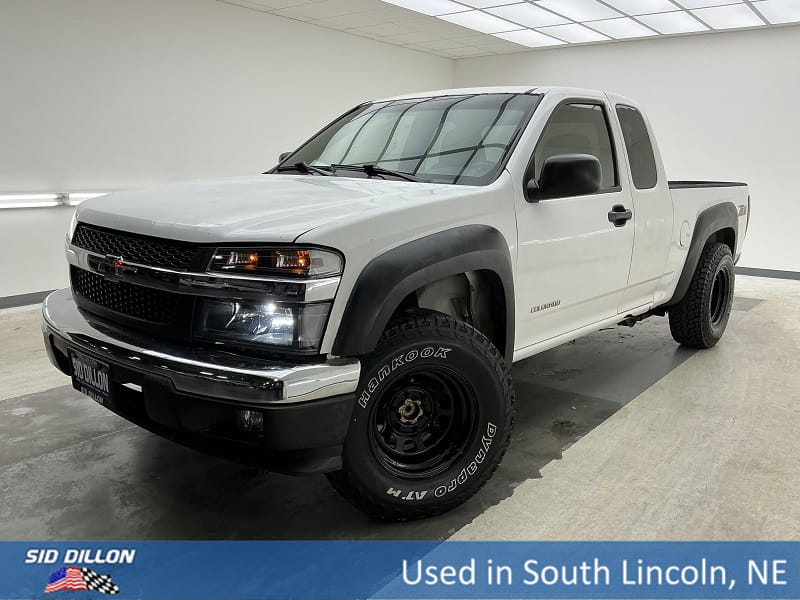
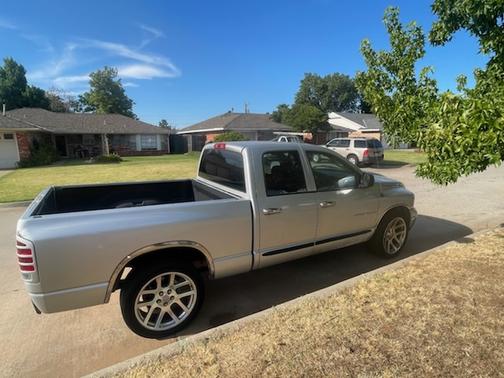
Let’s set realistic expectations right from the start. When you’re looking for a used truck under $10,000, you’re generally entering a specific segment of the market. This isn’t where you’ll find the latest models with low mileage and all the bells and whistles.
Instead, you should anticipate looking at trucks that are typically 10-15 years old, or even older. These vehicles will likely have higher mileage, often exceeding 150,000 miles, and might show some signs of wear and tear. The key here is to prioritize reliability and functionality over cosmetic perfection or cutting-edge technology.
The good news is that many older trucks, especially those from reputable manufacturers, were built to last. With proper maintenance, these workhorses can still provide many years of dependable service. Your budget dictates a focus on solid mechanical condition rather than luxury features.
The “Near Me” Advantage: Why Local Search is King
When searching for a budget-friendly used truck, the “near me” aspect of your search query is incredibly important. Focusing on local listings offers several significant advantages that can save you time, money, and potential headaches.
Firstly, a local search allows for convenient physical inspection and test drives. You can easily visit the seller or dealership to see the truck in person, assess its condition, and get a feel for how it drives. This eliminates the need for costly travel to view vehicles that might ultimately not meet your expectations.
Secondly, buying locally often means you have access to local mechanics for a pre-purchase inspection (PPI). This crucial step, which we’ll discuss in detail later, is much simpler to arrange when the vehicle is close by. It gives you peace of mind knowing a trusted professional has vetted your potential purchase.
Finally, buying locally can simplify the negotiation process and paperwork. Dealing with local sellers or dealerships often means a smoother transaction, and you’ll be able to quickly complete registration and transfer of ownership within your own state or jurisdiction.
Finding Your Unicorn: Where to Look for Used Trucks Under $10,000
The hunt for an affordable used truck requires casting a wide net. You’ll need to explore various avenues, each with its own set of pros and cons. Based on my experience, a multi-pronged approach yields the best results.
1. Online Marketplaces and Classifieds
These platforms are often the first stop for many buyers due to their vast selection and ease of access.
- Craigslist and Facebook Marketplace: These are goldmines for private party sales. You’ll find a huge variety of trucks, and often at prices lower than dealerships, as private sellers typically don’t have overhead costs. You can filter by price, make, model, and location to narrow down your search.
- Pros: Often the lowest prices, direct negotiation with sellers, wide variety.
- Cons: Higher risk of scams, “as-is” sales with no warranty, need to be vigilant about vehicle history.
- Pro Tip: Always meet in a public place during daylight hours. Bring a friend. Never go alone to view a private sale vehicle.
- OfferUp and LetGo: Similar to Facebook Marketplace, these apps are geared towards local buying and selling. They offer a more user-friendly interface and can sometimes uncover unique local listings that might be missed elsewhere.
- Pros: Convenient, localized listings, integrated messaging features.
- Cons: Similar risks to Craigslist, less detailed vehicle descriptions sometimes.
2. Independent Used Car Dealerships
While larger franchise dealerships might have limited inventory under $10,000, smaller, independent used car lots often specialize in more budget-friendly vehicles.
- Traditional Independent Dealerships: These dealers typically offer a range of used vehicles, including older trucks. They usually provide some level of vetting for their inventory and might offer limited warranties or service contracts.
- Pros: Vehicles often inspected, some limited warranties, professional environment, easier financing options.
- Cons: Prices generally higher than private sales, selection might be limited for specific models.
- “Buy Here, Pay Here” (BHPH) Lots: These dealerships specialize in in-house financing, often catering to buyers with less-than-perfect credit. They can be a viable option for securing financing when traditional lenders won’t approve you.
- Pros: High approval rates, focus on income verification over credit score, quick approval process.
- Cons: Significantly higher interest rates, often shorter loan terms, limited vehicle selection, vehicles may have higher mileage or be older.
- Common Mistake to Avoid: Don’t assume a BHPH lot is your only option. Explore all other financing avenues first due to the higher costs associated with BHPH loans. Always read the fine print carefully and understand the total cost of the loan.
3. Private Sellers (Beyond Online Marketplaces)
Sometimes the best deals aren’t found on the internet. Keep an eye out for “For Sale” signs in truck windows in your neighborhood or local community boards.
- Word of Mouth: Let friends, family, and colleagues know you’re looking. Someone might know a neighbor or acquaintance selling a reliable older truck.
- Pros: Often trusted sellers, potentially better deals, sometimes more detailed history known.
- Cons: Limited reach, purely opportunistic.
4. Vehicle Auctions
For the adventurous and mechanically inclined, auctions can present opportunities for deep discounts, though they come with significant risks.
- Public and Government Auctions: Police impound lots, government surplus sales, and local municipality auctions often sell vehicles for very low prices.
- Pros: Extremely low prices, potential for significant savings.
- Cons: “As-is” sales, often no opportunity for inspection or test drive, vehicles may require significant repairs. This is for experienced buyers only.
- Pro Tip: Unless you’re a seasoned mechanic or have one accompanying you, approach auctions with extreme caution. The risk of buying a “lemon” is very high.
The Critical Inspection: What to Check Before You Buy
Once you’ve found a promising candidate, the next step is a thorough inspection. For a used truck under $10,000, this stage is absolutely critical. You want to ensure you’re not buying someone else’s expensive problems.
1. Exterior Check
- Rust: This is a major concern, especially on older trucks. Check the frame rails, rocker panels, wheel wells, and bed. Surface rust is manageable, but extensive frame rust can be a deal-breaker.
- Body Damage: Look for dents, scratches, and misaligned panels, which could indicate previous accidents. Check for uneven paint, which might suggest bodywork.
- Tires: Inspect tire tread depth and look for uneven wear, which could signal alignment issues or suspension problems. Check the date code on the tires; old tires, even with good tread, can be unsafe.
- Glass: Ensure all windows, mirrors, and lights are intact and free of cracks.
2. Interior Assessment
- Upholstery: Check for rips, tears, and excessive wear. While cosmetic, it can indicate how well the truck was cared for.
- Electronics: Test all lights, wipers, radio, air conditioning, and power windows/locks. Ensure everything functions correctly.
- Dashboard Lights: Turn the key to the “on” position (without starting) and ensure all warning lights (check engine, ABS, airbag) illuminate and then turn off once the engine starts. A persistent warning light needs immediate investigation.
- Smell: Any lingering strange odors (mildew, burning oil, excessive air freshener) could indicate underlying issues.
3. Engine Bay Inspection
Based on my experience, this is where many hidden problems lie. Don’t be afraid to get your hands dirty, or at least look closely.
- Leaks: Look for any signs of fluid leaks (oil, coolant, power steering fluid) on the engine block, under the truck, or on hoses.
- Fluid Levels: Check engine oil (should be clean, not sludgy), coolant (should be clean, proper level), brake fluid, and power steering fluid.
- Belts and Hoses: Inspect for cracks, fraying, or bulging. These are common wear items that can be costly to replace if neglected.
- Battery: Check for corrosion around the terminals.
- Unusual Modifications: Be wary of aftermarket modifications that weren’t professionally installed.
4. The Test Drive
A comprehensive test drive is non-negotiable. Drive the truck on various road types – city streets, highways, and even some bumps if possible.
- Starting: Listen for any hesitation or unusual noises when starting the engine.
- Engine Performance: Does it accelerate smoothly? Are there any misfires, hesitations, or strange noises (knocking, ticking)?
- Transmission: Pay close attention to how the transmission shifts. It should be smooth, without clunking, slipping, or harsh engagement. Test both forward and reverse gears.
- Brakes: Do the brakes feel firm? Is there any pulling, squealing, or grinding? Test the ABS if safe to do so.
- Steering: Does the steering feel tight and responsive, or loose and vague? Listen for groaning or whining from the power steering pump.
- Suspension: Drive over bumps and listen for clunks or excessive bounciness, which could indicate worn shocks, struts, or suspension components.
5. Pre-Purchase Inspection (PPI)
Pro tips from us: Even if you’re mechanically inclined, always get a Pre-Purchase Inspection (PPI) from an independent, trusted mechanic. This is the single most important step when buying a used truck, especially in this price range. For a nominal fee (usually $100-$200), a professional can put the truck on a lift, check for hidden issues, and provide an objective assessment of its condition and potential repair costs. This small investment can save you thousands down the road.
Decoding the Financing Puzzle: Getting Approved for a Truck Under $10,000
Securing financing for a vehicle under $10,000 can sometimes be more challenging than for a newer, more expensive model. Lenders often prefer to finance higher-value assets. However, it’s certainly not impossible, especially if you understand your options and prepare properly.
1. Understanding Your Credit Score
Your credit score is a numerical representation of your creditworthiness. It’s a major factor lenders use to determine your eligibility for a loan and the interest rate you’ll receive.
- Good Credit (700+): You’ll have the best chance of approval with favorable interest rates from traditional lenders.
- Fair Credit (600-699): Approval is still possible, but interest rates might be higher. You’ll need to shop around.
- Poor Credit (Under 600): This is where it gets trickier. Traditional lenders may be hesitant, and you’ll likely face higher interest rates or need alternative financing.
Before you even start looking for financing, check your credit score and report. You can get free copies from Experian, Equifax, and TransUnion. Review your report for any errors that could be dragging your score down.
2. Types of Financing Options
- Dealership Financing (Traditional): Many independent used car dealerships work with a network of lenders. They can submit your application to multiple banks or credit unions to find you an approval.
- Pros: Convenient “one-stop shop,” dealers often have relationships with lenders willing to finance older vehicles.
- Cons: May not always offer the absolute best rates, as the dealer also makes a commission.
- Bank or Credit Union Loans: Approaching your own bank or credit union directly can often yield better interest rates, especially if you have an existing relationship with them.
- Pros: Often the most competitive interest rates, transparent terms, strong customer service.
- Cons: Stricter approval criteria, may be less willing to finance very old or high-mileage vehicles.
- Pro Tip: Get pre-approved before you start shopping. This gives you negotiating power and a clear budget.
- “Buy Here, Pay Here” (BHPH) Financing: As mentioned earlier, these dealerships offer in-house financing.
- Pros: High approval rates, often the only option for buyers with very bad credit or no credit history.
- Cons: Very high interest rates, short loan terms, limited vehicle selection, less consumer protection. This should be a last resort.
- Personal Loans: While not specifically a car loan, a personal loan from a bank or credit union can be used to purchase a truck. However, personal loan rates can sometimes be higher than auto loan rates, and terms might be shorter.
- Pros: Funds can be used for any purpose, not tied to the vehicle as collateral.
- Cons: Generally higher interest rates than secured auto loans, may not be ideal for a vehicle purchase.
- Co-signer: If you have poor credit, having a co-signer with good credit can significantly increase your chances of approval and help you secure a lower interest rate.
- Pros: Improves approval odds, potentially lower interest rates.
- Cons: The co-signer is equally responsible for the loan, impacting their credit if you default.
3. Preparing Your Application
Regardless of where you apply, having your documents in order will streamline the process.
- Proof of Income: Pay stubs, tax returns, bank statements.
- Proof of Residence: Utility bills, lease agreement.
- Identification: Driver’s license.
- Insurance Information: You’ll need proof of insurance before driving off with the truck.
4. Pro Tips for Financing Approval (Even with Bad Credit)
Based on my experience helping countless buyers, these strategies can make a real difference:
- Down Payment: Even a small down payment (e.g., $500-$1000) significantly improves your chances. It reduces the amount you need to borrow and shows the lender your commitment.
- Show Stability: Lenders look favorably on stable employment history and residence. If you’ve been at your job for a while, highlight that.
- Explain Your Situation: Don’t hide past credit issues. Be upfront and explain any extenuating circumstances. Lenders appreciate honesty.
- Debt-to-Income Ratio: Be mindful of your existing debt. Lenders want to see that you can comfortably afford the new loan payment. Aim for your total monthly debt payments (including the new truck loan) to be no more than 40-45% of your gross monthly income.
5. Common Mistakes to Avoid in Financing
- Not Shopping Around: Don’t take the first offer you get. Always compare interest rates and terms from multiple lenders.
- Focusing Only on Monthly Payments: While important, also pay attention to the total cost of the loan, including interest. A longer term might mean lower monthly payments but significantly more interest paid over time.
- Ignoring the Fine Print: Read every document carefully before signing. Understand all fees, interest rates, and terms.
- Over-Extending Your Budget: Just because you’re approved for a certain amount doesn’t mean you should spend it all. Stick to a monthly payment you can comfortably afford, even if unexpected repairs pop up.
Negotiation Strategies for the Savvy Buyer
Once you’ve found a truck you like and secured potential financing, it’s time to negotiate. This is where you can save a substantial amount of money.
1. Research Market Value
Before any negotiation, research the market value of similar trucks (make, model, year, mileage, condition) in your area. Use resources like Kelley Blue Book (KBB) or Edmunds. This gives you a strong starting point and helps you identify a fair price range.
2. Highlight Flaws (Tactfully)
Use the findings from your detailed inspection and especially your PPI. If the mechanic identified any needed repairs, use those as leverage. For example, “The mechanic noted the brakes will need replacing soon, so I’d like to adjust the price accordingly.”
3. Be Prepared to Walk Away
The most powerful negotiation tool is your willingness to walk away. If you don’t get a price you’re comfortable with, be prepared to politely decline and look elsewhere. There will always be other trucks.
4. Don’t Be Afraid to Haggle
Most sellers, especially private ones, expect some negotiation. Start with an offer slightly below your target price, leaving room for the seller to counter. Maintain a friendly but firm demeanor.
Post-Purchase Considerations: What Happens After You Buy?
Congratulations, you’ve found your used truck for sale near me under $10,000 with financing! But the journey doesn’t end when you drive off the lot. There are a few crucial steps and considerations to keep in mind.
1. Insurance and Registration
You’ll need to arrange for auto insurance before you can legally drive your truck. Get quotes from several providers to ensure you’re getting the best rate. After purchasing, you’ll need to register the truck with your local Department of Motor Vehicles (DMV) and pay any applicable sales tax and registration fees.
2. Initial Maintenance
Even with a PPI, it’s a good idea to perform some basic maintenance shortly after purchasing a used vehicle. This includes:
- Oil Change: Fresh oil and filter are always a good start.
- Fluid Check: Top off or change any fluids that seem old or low (transmission fluid, brake fluid, power steering fluid).
- Air Filter: Replace the engine air filter and cabin air filter.
- Tire Rotation: Ensure even wear for longer tire life.
3. Build an Emergency Fund for Repairs
Remember, you’ve bought an older, high-mileage truck. While your PPI minimized the immediate risks, unexpected repairs can and do happen. Based on my experience, having an emergency fund specifically for truck repairs (e.g., $500-$1000) will save you a lot of stress down the line. It prevents you from falling behind on payments if a major repair pops up.
Real-Life Scenarios: Success Stories Are Possible
It might sound challenging to find a reliable truck under $10,000 with financing, but many people successfully do it. I’ve seen customers with modest budgets and credit challenges drive away in dependable trucks. For example, a client recently found a 2008 Ford F-150 with 160,000 miles for $8,500 through a private seller. After a thorough PPI revealed only minor issues, they secured a loan from their credit union with a co-signer and a small down payment. They understood it wasn’t perfect, but it met their needs and budget perfectly.
Another example involved a single mom who needed a reliable truck for her small landscaping business. With a limited budget and fair credit, she found a 2006 Chevrolet Silverado at an independent dealership for $9,500. The dealer’s finance manager was able to get her approved with a manageable monthly payment thanks to her consistent employment history and a slightly higher interest rate. The key was her persistence and willingness to explore all available options.
Conclusion: Your Affordable Truck Awaits!
Finding used trucks for sale near me under $10,000 with financing is not just a pipe dream; it’s a perfectly achievable goal with the right approach. It requires patience, thorough research, a keen eye for detail, and a strategic understanding of the financing landscape. By leveraging online marketplaces, exploring local dealerships, prioritizing a professional pre-purchase inspection, and understanding your financing options, you can navigate the market effectively.
Don’t let budget constraints deter you from owning the truck you need. Equip yourself with the knowledge from this guide, approach the process with confidence, and soon you’ll be driving away in a reliable truck that fits your budget and lifestyle. Happy hunting!
Internal Links:
- For more insights on maintaining your vehicle’s health, check out our guide on The Essential Car Maintenance Checklist for Longevity (Placeholder Link – replace with actual blog post URL).
- If you’re still debating between a truck and an SUV for utility, our article Truck vs. SUV: Which One is Right for Your Lifestyle? (Placeholder Link – replace with actual blog post URL) might help.
External Link:
- To understand more about your credit score and how it’s calculated, a reliable resource like the Consumer Financial Protection Bureau website offers comprehensive information.
- Used Trucks for Sale in New York Under $10000 With Warranty - August 29, 2026
- Used Trucks for Sale in New York Under $10000 With Low Mileage - August 28, 2026
- Used Trucks for Sale in New York Under 10000 Good Condition - August 27, 2026